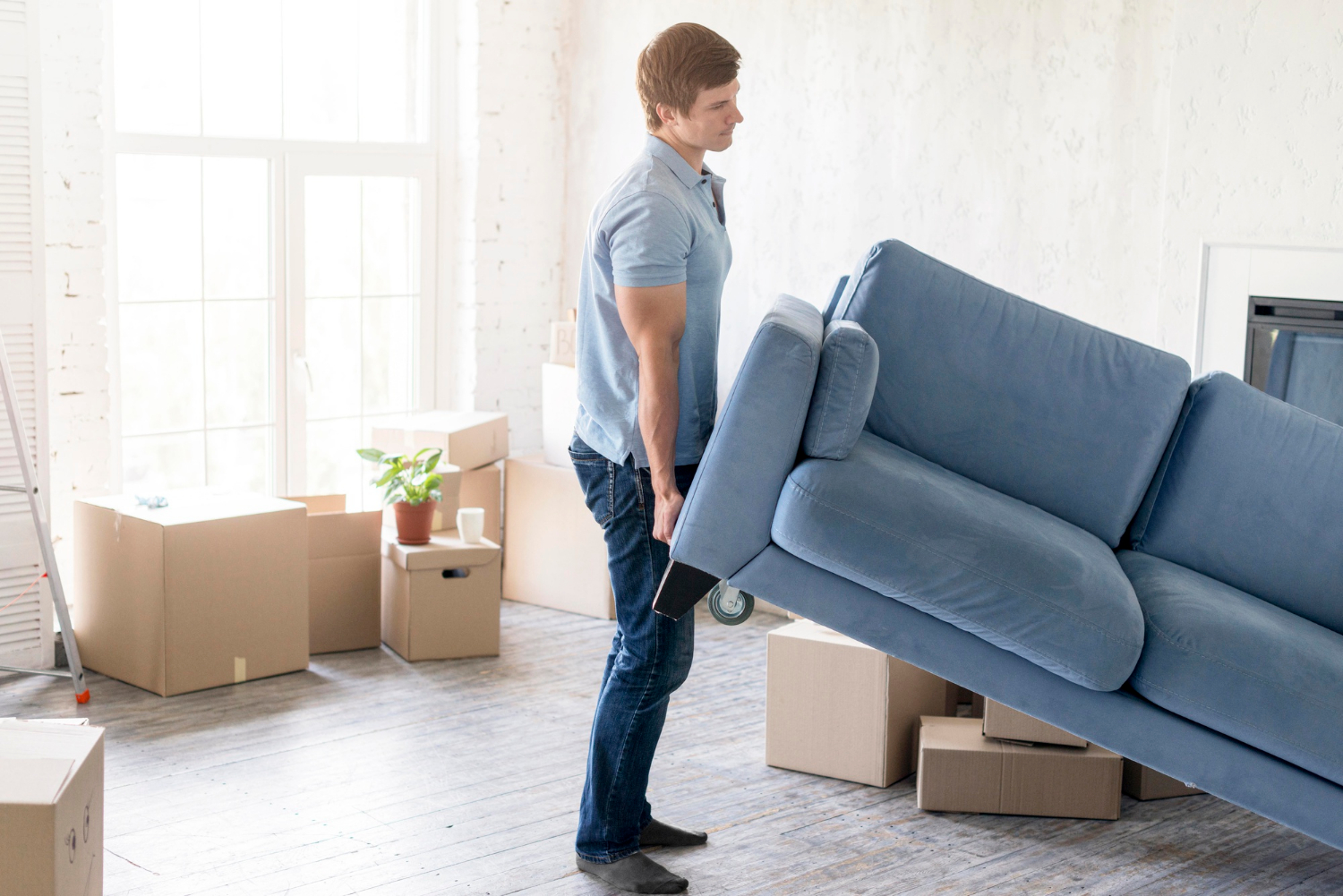
Moving heavy furniture can feel like a daunting task, especially when you’re trying to figure out how to get those big items out the door and into a new space. Whether it’s a bulky sofa, a grand piano, or an oversized wardrobe, without the right plan and tools, you might end up with damaged belongings or even a sore back.
Having the right equipment and knowing the best techniques can make all the difference. From measuring doorways to ensuring you have enough padding, being well-prepared helps make moving heavy furniture smoother and safer. It’s not just about brute strength; smart planning and careful execution are key.
With a bit of planning and the right strategies, you can tackle even the heaviest pieces in your home. The goal is to move everything safely and efficiently, leaving both your belongings and your back intact. Let’s explore how to handle heavy furniture like a pro.
Preparing for the Move
Getting ready to move heavy furniture requires the right set of tools and a clear plan. To start, having essential equipment on hand can make moving much easier. Consider investing in sliders to glide furniture across floors and a sturdy dolly for rolling heavy items. Moving straps are also handy, letting you bear the weight more safely and efficiently. A set of basic tools, like a screwdriver and wrench, can help in disassembling furniture that’s too big to fit through doorways.
Measuring is a crucial step before you begin the move. Make sure to measure both the dimensions of your furniture and the widths of doorways and hallways. This ensures everything fits and avoids getting stuck in tight spaces. Knowing this in advance helps prevent unnecessary struggles or furniture damage during the move.
Finally, plan a clear path for the move. Remove any obstacles and ensure pathways are wide enough for easy navigation. If necessary, take doors off their hinges to allow for more space. Also, communicate with anyone assisting you about the plan, so everyone is on the same page. This preparation turns what could be a daunting task into a more manageable process.
Techniques for Safely Moving Heavy Furniture
Safety should be a top priority when lifting and moving heavy furniture. Using the right techniques helps avoid injuries and makes lifting much easier. Always lift with your legs, not your back, by bending your knees and keeping your back straight. Keep the item close to your body to maintain balance and control.
Using the right equipment can make all the difference. Sliders are fantastic for moving furniture on carpeted and hard floors alike, reducing friction. A dolly can be used for heavier pieces, allowing you to roll them instead of lifting. Moving straps distribute weight more evenly and can assist in handling bulky objects without straining muscles.
Disassembling furniture, when possible, can ease the process. Remove legs from tables, detach cushions, and disassemble frames to reduce weight and make pieces more manageable. Keep all screws and small parts in labeled bags to avoid losing them. This approach not only makes lifting simpler but can also prevent mishaps in narrow spaces or tight corners. With these techniques in place, handling heavy furniture can become a far less daunting task.
Protecting Your Home and Furniture
Keeping your home and furniture safe during a move is crucial to prevent damage. Start by padding your furniture with moving blankets or bubble wrap. This extra layer protects against bumps and scratches. Secure these coverings with tape, but make sure it doesn’t come in contact with furniture surfaces to avoid residue or damage.
Protect your floors and walls as well. Use canvas tarps or drop cloths on floors to prevent scratches and marks. For walls and corners, consider protective guards that can be attached temporarily during the move. These precautions help maintain your home’s condition and avoid those annoying touch-ups later.
When it’s time to load the moving truck, pack furniture tightly, using straps to keep items in place. This prevents shifting during transit, which could cause scratches or even breakage. Position larger, heavier items against the walls of the truck for support, placing lighter, delicate pieces on top or in secure gaps. Proper packing secures your furniture, reducing movement and potential damage.
Managing Obstacles and Challenging Items
Handling tricky items and tight spaces requires some clever thinking. For awkwardly shaped furniture, consider rotating or angling pieces to navigate through cramped areas. Dismantling components, such as table legs or bed frames, can slightly reduce their size, making it easier to get around corners and through doors.
Dealing with stairs and tight corners needs extra care. When moving up or down stairs, ensure a firm grip and steady footing. Use moving straps for better control and stagger your positions so one person leads and the other follows. This coordination prevents accidents and makes maneuvering through tough spots safer.
Sometimes, the best solution is to call in the professionals. Hiring movers for oversized or fragile pieces can save you time and potential injury. Professionals have the expertise and equipment to manage these obstacles effectively. They handle all kinds of challenging moves, making the process smoother and less stressful.
Transitioning Your Heavy Furniture Move
Successfully moving heavy furniture involves lots of planning and careful handling. By preparing with the right tools, applying safe-moving techniques, and protecting your items and home, you can tackle the big tasks without feeling overwhelmed. Remember, precision and patience go a long way in preventing mishaps and ensuring everything reaches the new destination intact.
When you need expert assistance, My Movers Inc. is here to help with your challenging move. Our experienced team of Indiana movers ensures that all your furniture, regardless of size or shape, arrives safely at its new location. With us, you gain peace of mind knowing every detail is managed professionally and efficiently. Choose My Movers Inc. for a seamless and hassle-free moving experience.